

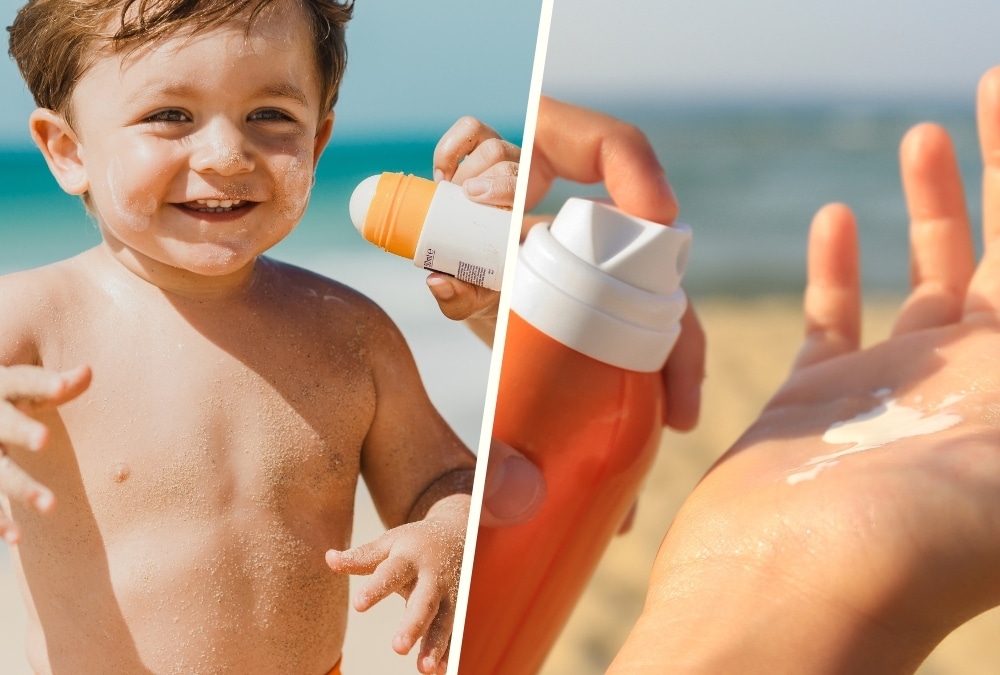
There’s nothing quite like that first proper day by the sea — sand underfoot, salt in the air, and a few uninterrupted hours in the sun.
But a day at the coast is exactly when sunscreen habits tend to slip.
You apply it once in the morning, get swept up in the day, and assume you’re covered until it’s time to head back for tea. A few hours later, are you still protected?
The truth is that sunscreen “lasting” means two different things: how long it works on your skin, and how long the product itself stays good in the bottle.
Mixing these up is the most common reason people end up sunburned on holiday — or throw out a perfectly good bottle too early.
Here’s what actually determines each timeline, and how to stay ahead of it when you’re spending the day on the beach.
How Long Does Sunscreen Last on Your Skin?
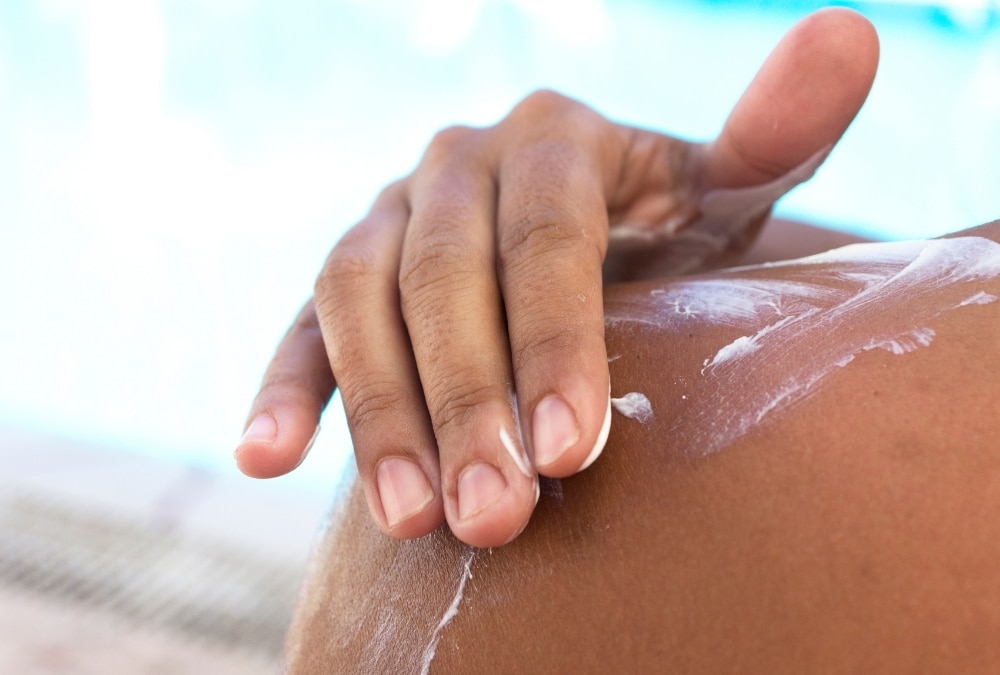
On skin, sunscreen lasts about two hours under normal conditions. It then starts to break down from sun exposure, sweat, and oil.
This is true regardless of the SPF number on the bottle — a common misconception is that a higher SPF buys you more time outside. It doesn’t.
SPF measures the strength of protection (how much UV radiation is blocked), not the duration. SPF 50 blocks slightly more UVB (Ultraviolet B) rays than SPF 30, but both need reapplying on roughly the same schedule.
Reapplication guidelines
- General outdoor use: Reapply every two hours, even if the label says “all day protection.” The NHS advises applying sunscreen liberally and often, and choosing a formula with at least SPF 30 and good UVA protection.
- Swimming or sweating heavily: Water-resistant formulas are only rated to hold up for 40 to 80 minutes in water (depending on the label). Reapply immediately after swimming, towelling off, or a heavy sweat session. This is worth remembering on a summer beach day.
- Indoors near windows: If you’re sitting by a sunny window for extended periods, UVA (Ultraviolet A) rays pass through glass. Reapply every three to four hours as a reasonable precaution, even when you aren’t in direct outdoor sun.
- After towelling dry: Friction from a towel removes product just as effectively as water does, so reapply as soon as you dry off.
A day trip to the coast rarely goes to plan. You end up staying longer than intended. The tide comes in later than you thought, or the kids talk you into just one more swim.
To stay prepared, pack a full-size bottle rather than a travel-size one. Reapplying on a timer rather than by feel makes it much easier to actually stick to the two-hour rule.
How Long Does an Unopened Bottle of Sunscreen Last?
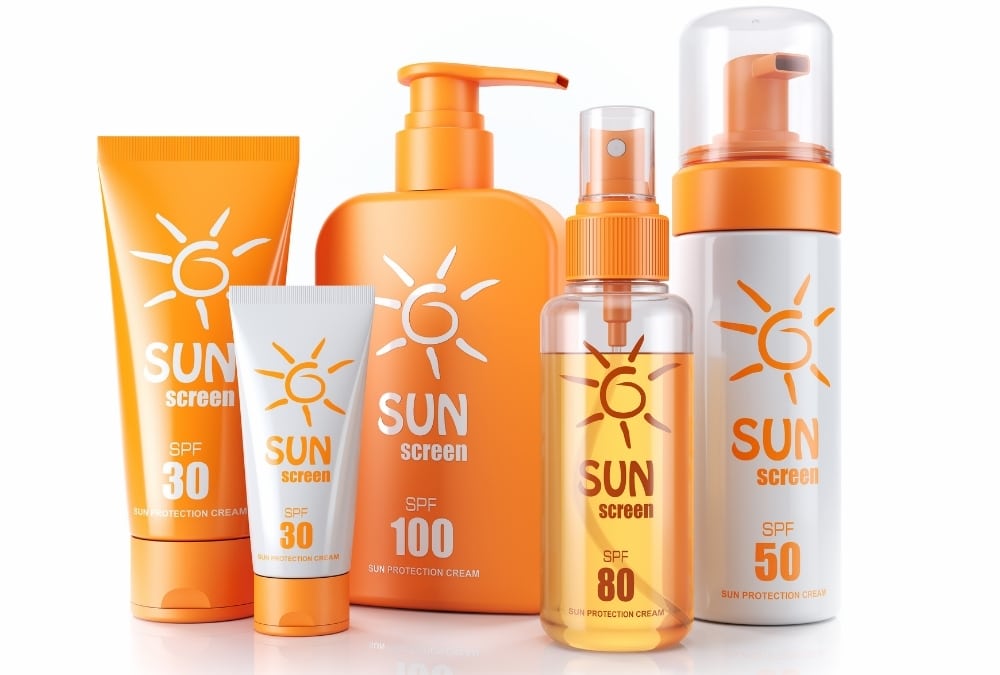
An unopened sunscreen bottle typically lasts two to three years. Store it in a cool, dry place away from direct heat and sunlight.
Sunscreen manufacturers selling in the UK must include an expiration date on the packaging. If you don’t see the label, check online or try a different brand.
How Long Does Sunscreen Last Once Opened?
Once you break the seal, the clock starts running faster. Opened sunscreen is generally good for 12 months, though this varies by product and brand.
Look for the open-jar icon on the packaging. The printed number, usually 6 to 12, shows the product’s life after opening.
Signs Your Sunscreen Has Gone Bad
Even within the expiration window, sunscreen can degrade faster than expected. It is especially true if left in a hot car or a beach bag. Toss the bottle if you notice any of the following:
- A change in colour or texture — the formula looks discoloured, chalky, or has separated into watery chunks
- An off smell — sunscreen has a fairly neutral scent; anything sour or rancid is a red flag
- Thickened or clumpy consistency — the active ingredients may no longer be evenly distributed
- Visible separation — oil and water layers that don’t recombine when shaken
Using expired or degraded sunscreen isn’t just less effective — the active UV-filtering ingredients break down over time, so you may be applying a product that offers little real protection while assuming you’re covered.
Heat is the main culprit here, and it catches people out more often than you’d think.
A bottle left in a car boot, a beach bag, or tucked away in a cupboard that gets warm through the day can degrade far faster than one stored somewhere cool.
If sunscreen has been sitting through a full summer of on-and-off holiday trips, it’s worth doing the smell-and-texture check before you rely on it again.
SPF 30 vs. SPF 50: Does It Change How Often You Reapply?
No — this is worth repeating. SPF 30 blocks about 97% of UVB rays, while SPF 50 blocks about 98%. That’s a modest difference in strength, not in staying power.
Whether you’re wearing SPF 30 or SPF 50, plan to reapply every two hours outdoors, and more frequently if you’re in water or sweating.
Cancer Research UK also recommends pairing sunscreen with shade and covering clothing, since no SPF number offers complete protection on its own.
Quick Reference: Sunscreen Timelines
| Scenario | How Long It Lasts |
|---|---|
| On skin, normal outdoor conditions | ~2 hours |
| On skin, swimming or heavy sweat | 40–80 minutes |
| Unopened bottle | 2–3 years |
| Opened bottle | ~12 months (check the jar icon) |
The Bottom Tan Line
Sunscreen protection fades well before the bottle “expires.”
Treat reapplication as a two-hour habit no matter what SPF you’re wearing, replace opened bottles annually, and do a quick smell-and-texture check before applying anything that’s been sitting around for a while.
A fresh, correctly applied SPF 30 will protect you better than an old, degraded SPF 50.
Whether you’re going for a day trip to the beach or a longer stay somewhere with a bit more space to unpack properly — it’s worth keeping an in-date bottle of sunscreen with you.