

Buying a static caravan is the easy part. What most buyers fail to account for is everything that comes after; the true cost of owning a static caravan becomes apparent the second year after purchase.
Site fees, insurance, utilities, maintenance, and the near-certain depreciation of the unit itself can easily add up to more than the original purchase price over a decade of ownership.
This guide gives you the full picture, from the initial outlay to the ongoing annual bills, so you can make a genuinely informed decision before you sign anything.
How Much Does a Static Caravan Cost to Buy?
The purchase price varies enormously depending on whether you’re buying new or second-hand, and which grade of caravan you choose.
New static caravans typically range from around £25,000 for a basic two-bedroom model up to £80,000 or more for a premium lodge-style unit with high-spec interiors.
Mid-range models from manufacturers like ABI, Willerby, and Atlas generally sit between £35,000 and £55,000.
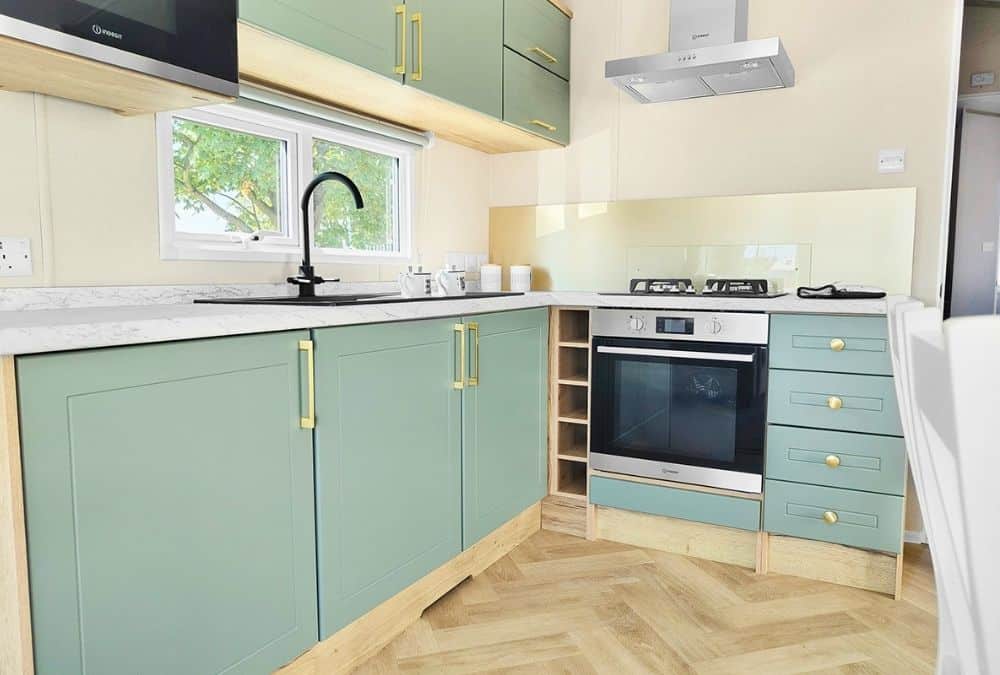
Second-hand static caravans can be picked up for as little as £5,000–£15,000 for older models, though anything under ten years old will usually start closer to £20,000.
Bear in mind that age is a significant factor — more on that in the 10 year rule section below.
If you’re unsure whether to buy new or used, our guide to the benefits of buying a new or used caravans walks through the key considerations in detail.
Most holiday parks sell caravans directly and include pitch placement in the deal.
You can browse static caravans for sale at Kingfisher to see what we have currently available, including new and used models across a range of price points.
Remember, the caravan itself is only part of what you’re paying for — and often not the most expensive part over the long term.
Annual Running Costs Breakdown
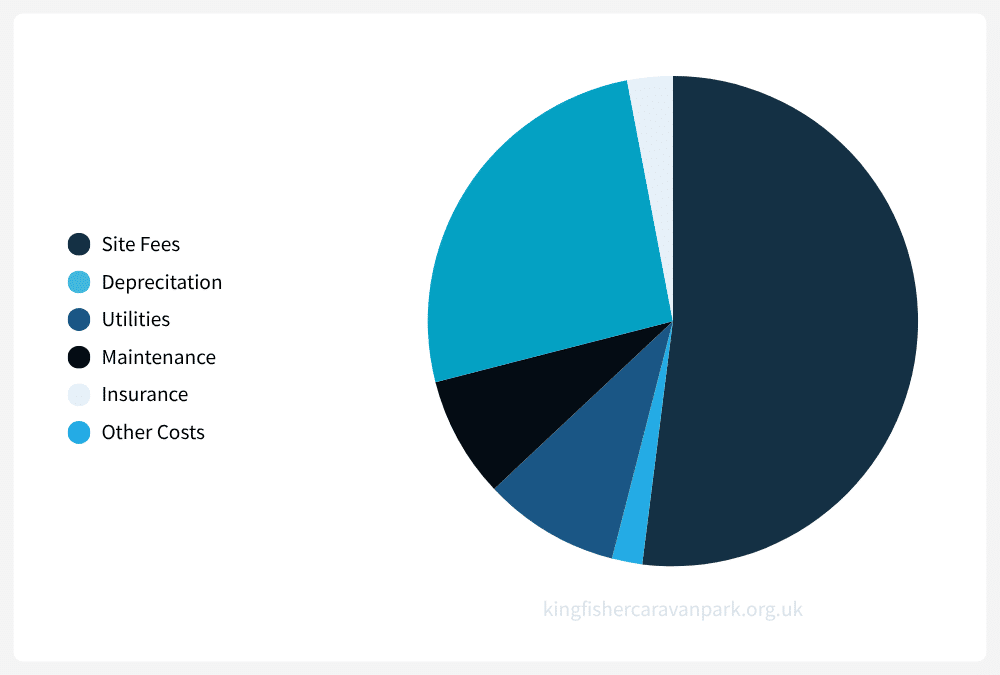
This is where many buyers get caught out.
The ongoing costs of owning a static caravan can easily run to £5,000–£10,000 per year before you set foot inside. Here’s what to expect.
Site Fees (Pitch Fees)
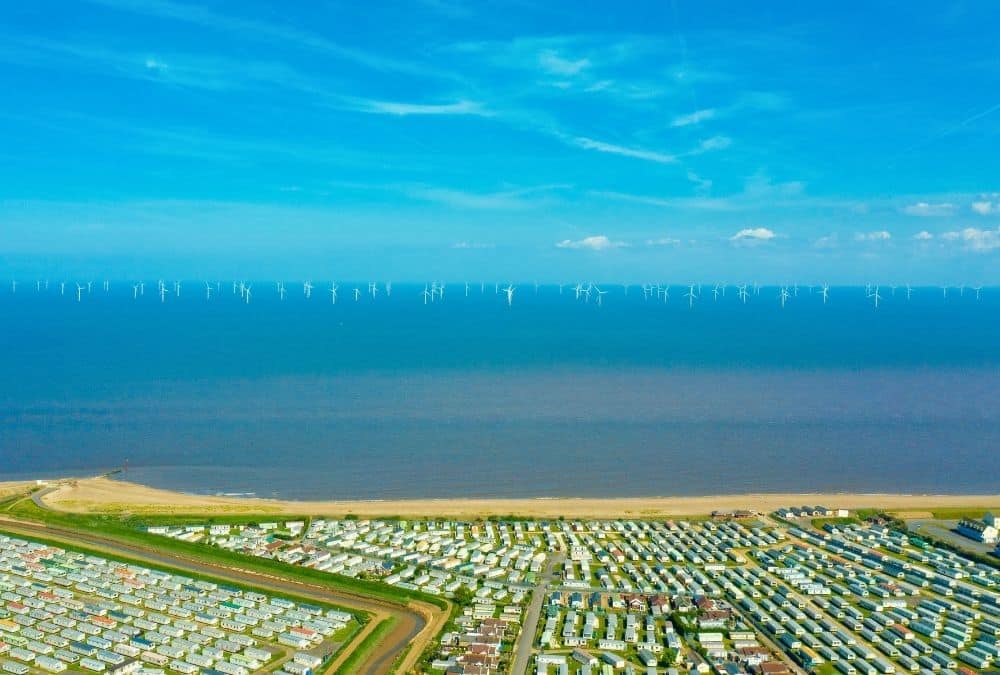
Site fees — sometimes called pitch fees — are the single biggest ongoing cost.
These cover your right to keep your caravan on a park’s land and typically include access to communal facilities.
Costs vary by location and park quality — and if you’re wondering what makes a coastal location worth the premium, our guide to why Ingoldmells is a perfect place for a static caravan explains exactly that.
Things you should consider:
| Park type | Typical annual site fee range |
|---|---|
| Budget / off-peak parks | £3,000 – £5,000 |
| Mid-range holiday parks | £5,000 – £8,000 |
| Premium coastal / popular locations | £8,000 – £14,000+ |
Prices in sought-after areas like Cornwall, the Lake District, and the Yorkshire coast tend to sit at the higher end.
Always check whether the fee covers a 10-month or 12-month season — most parks don’t permit year-round occupation.
Site fees typically increase each year, often in line with inflation or above it. Over ten years, a fee that starts at £5,000 could realistically reach £7,000 or more.
It’s worth understanding your rights before signing. We highly recommend you spend an hour or two before watching the latest soap episode.
Static Caravan Insurance
Insurance is non-negotiable — most parks require you to hold an adequate policy as a condition of your pitch licence.
A standard policy for a mid-range static caravan costs roughly £150–£400 per year, though this depends on the value of the caravan, its location, and the level of cover.
For a detailed breakdown of what to look for and how to compare policies, read our complete guide to static caravan insurance.

Policies typically cover the structure against storm and flood damage, fire, theft, and public liability. Contents cover is usually available as an add-on.
Search interest in static caravan insurance has spiked sharply in 2026, driven by growing awareness of flood and storm risk across UK coastal and riverside sites.
Shopping around with specialist insurers (Caravan Guard, Leisuredays, etc) — rather than going to a general home insurer — will usually get you meaningfully better cover at a lower price.
Utility Bills
Most parks meter gas, electricity, and water separately, and the rates charged are often higher than standard domestic tariffs because the park operator acts as a reseller.
Typical annual utility costs for regular use:
- Electricity: £400–£900 per year (heating and appliances)
- Gas: £200–£500 per year (if applicable — many modern units are all-electric)
- Water: £100–£250 per year
Budget around £700–£1,500 per year depending on how often you visit and how energy-efficient your unit is.
Newer models are significantly better insulated, which makes a meaningful difference.
Maintenance and Repairs
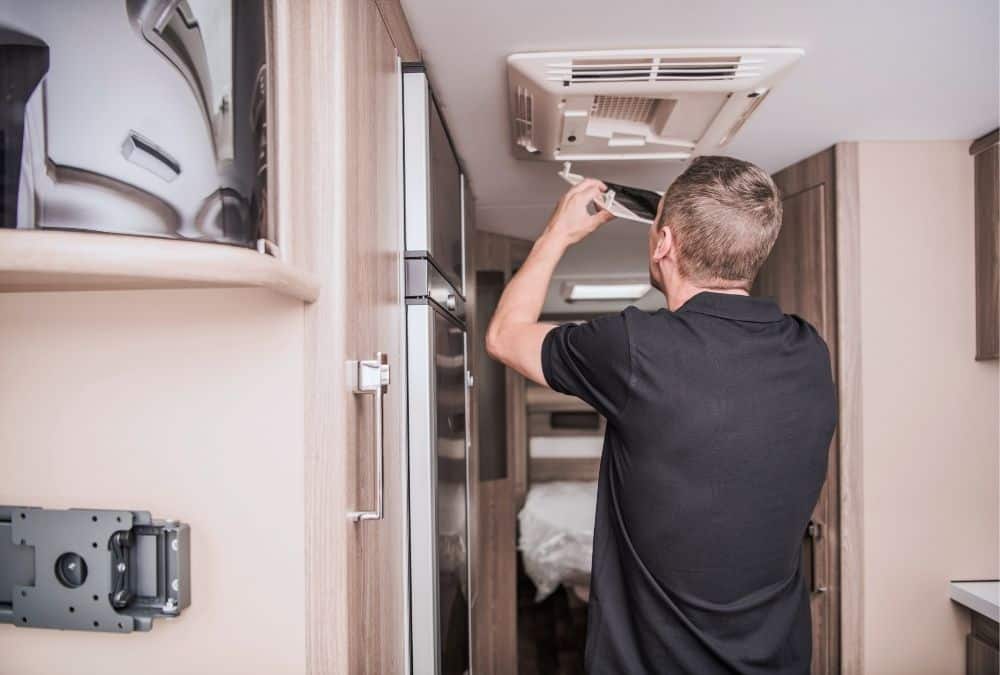
A static caravan requires regular upkeep to stay in good condition.
Common maintenance tasks and costs include:
- Annual service: £150–£300, covering roof seals, gas appliances, electrics, and the chassis
- Roof resealing: £100–£400 every few years to prevent water ingress
- Exterior cleaning and treating: £100–£200 per year
- Appliance repairs / replacements: Variable — budget £200–£500 per year as a general contingency
A newer caravan will cost less to maintain; an older unit approaching the end of its site licence may require more frequent and costly attention.
Set aside roughly £500–£1,500 per year for maintenance, trending higher as the caravan ages.
Understanding what a proper inspection involves is helpful before you commit. Our guide to the importance of caravan inspections covers what’s checked, how often, and what to do if issues are found.
For seasonal tips, keeping your static caravan cool in summer is also worth a read.
What Does a Static Caravan Actually Cost Per Year?
Adding it all up, here’s a realistic total annual cost of ownership for a mid-range static caravan on a well-regarded UK holiday park:
| Cost | Annual estimate |
|---|---|
| Site fees | £5,000 – £8,000 |
| Insurance | £150 – £300 |
| Utility bills | £700 – £1,500 |
| Maintenance and repairs | £500 – £1,500 |
| Depreciation (averaged over 10 years) | £2,500 – £4,000 |
| Total | £8,850 – £15,300 |
This doesn’t include one-off costs like decking, finance interest, or end-of-licence removal. For many owners, the true all-in annual cost sits comfortably above £10,000.
Hidden Costs People Often Miss
Beyond the obvious running costs, a number of expenses catch buyers off guard.
Depreciation
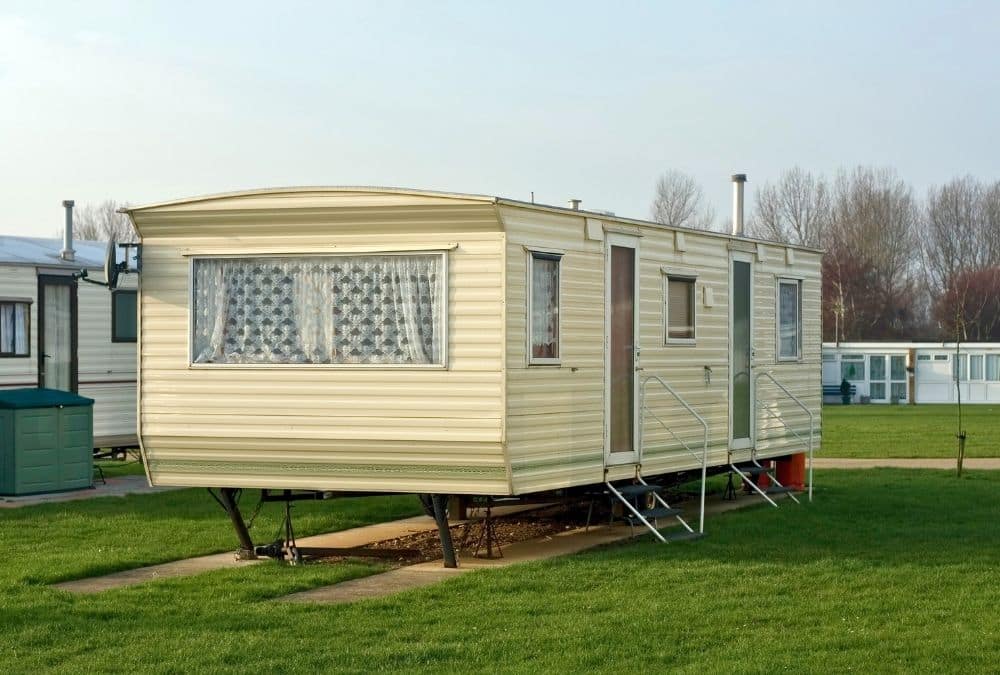
This is the single biggest cost most buyers fail to account for. Static caravans lose value quickly and don’t recover it.
A new unit worth £45,000 today may be worth less than £10,000 after ten years — a loss of around £3,500 per year, before you’ve paid a penny in site fees or utilities.
If you’re buying second-hand, you’re buying into a depreciating asset with a finite site life. That’s not necessarily a reason not to buy — but it needs to be in your calculations from day one.
Transport and siting
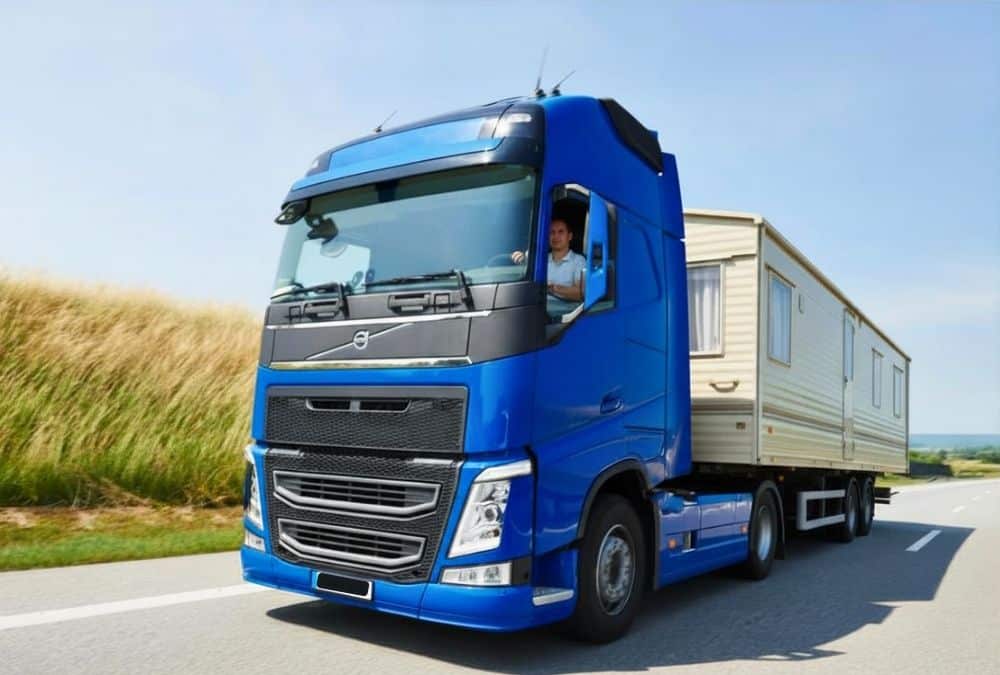
If you’re moving a second-hand caravan onto a pitch, you’ll pay for transport and siting — typically £500–£2,000 depending on distance and whether lifting equipment is required.
This can be arranged by the park you are settling at. For instance, at Kingfisher we take care of this process for you.
Decking and external improvements
Many owners add decking, a veranda, or outdoor furniture. A basic decking setup costs £1,000–£4,000, while more substantial builds can run considerably higher.
Parks often charge a fee for installation work carried out on-site.
Finance costs
Park operators commonly offer finance on new caravans, but rates are often higher than standard secured lending — sometimes 10–14% APR (Annual Percentage Rate).
On a £40,000 caravan over ten years, that interest can add £20,000–£30,000 to the total cost.
A personal loan or remortgage may offer significantly lower rates; it’s worth comparing before accepting park finance.
Rates and council tax
Static caravans used solely for holiday accommodation are not subject to council tax. However, if you rent your caravan out through the park, a business rates assessment may apply.
Check with your local authority before committing.
End-of-licence removal
When your caravan reaches the end of its permitted life on the park, you’ll need to either sell it or have it removed.
Removal can cost £500–£2,000 if the buyer doesn’t take it away. If the unit has depreciated significantly, you may face a disposal cost rather than a sale price.
What Is the 10 Year Rule for Static Caravans?
The 10 year rule refers to a common policy applied by many holiday parks that limits how old a caravan on their pitch can be.
Once your static caravan reaches ten years old, you may be required to replace it or vacate the pitch — even if the caravan is in excellent condition.
Not every park operates this rule. Some apply a 15 or 20 year limit, and a small number have no fixed age policy at all.
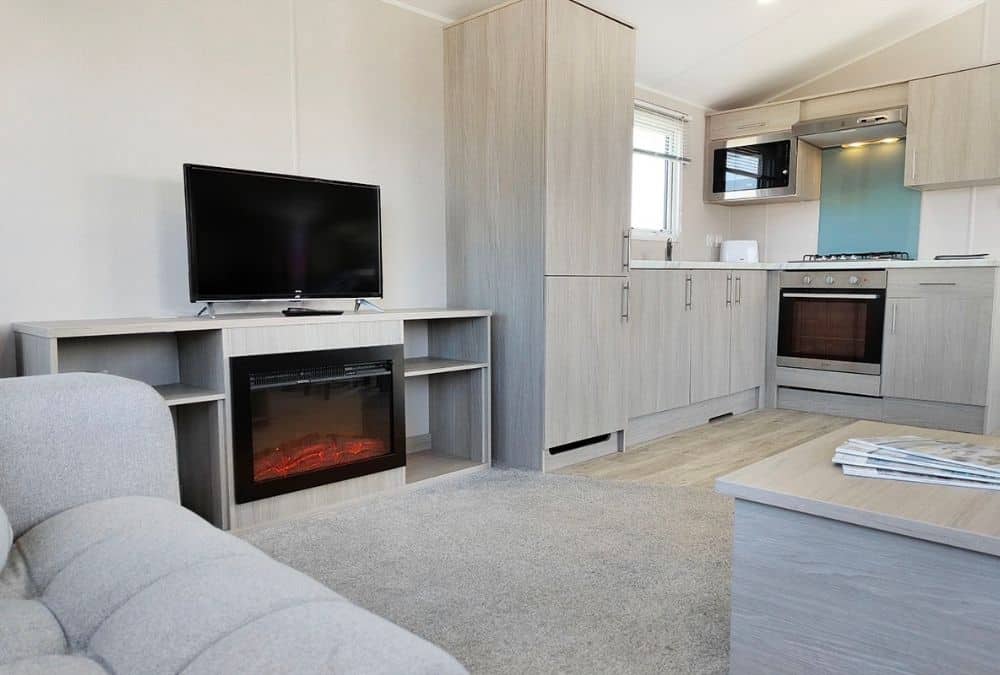
The practical implications are significant. Buy a five-year-old caravan on a park with a 10 year rule, and you may have just five years of guaranteed tenure on that pitch.
Always ask before buying, and read your static caravan contract carefully. For a fuller picture of your rights and obligations as an owner, see our guide to the legal requirements of owning a caravan.
Always ask these questions before signing anything:
- What is the maximum permitted age of caravan on this pitch?
- Is there a grace period if my caravan exceeds the limit?
- What happens to my pitch licence if I choose not to replace it?
What Is the 5 Caravan Rule?
The 5 caravan rule comes from planning law rather than park policy, and it’s most relevant if you’re thinking about keeping a static caravan on private land rather than a commercial holiday park.
Under permitted development rights in England, a landowner can station up to five caravans on their land without applying for specific planning permission for a caravan site.
Go above five — or use the land commercially — and full planning permission is required. For buyers purchasing a pitch at an established holiday park, this won’t affect you directly.
Where it becomes important is if you’re exploring private land options — a friend’s farm, a rural plot, or a smallholding — as a cheaper alternative to park fees.
In those cases, always verify the planning position before purchasing a unit.
Permitted development rights can be withdrawn or restricted by local planning conditions, and building on the assumption that they apply without checking can be a costly mistake.
Is Owning a Static Caravan Profitable?
This depends entirely on how you use it.
Using it Exclusively for Personal Holidays
Owning a static caravan is unlikely to be financially profitable.
When you factor in the full cost of ownership — depreciation, site fees, utilities, insurance, and maintenance — the annual cost typically works out to £8,000–£15,000 or more.
Whether that’s good value compared to renting holiday accommodation depends on how often you visit and what equivalent holidays would cost you.
Renting Through the Park’s Letting Scheme
Many parks operate sublet programmes where your caravan is let to other guests when you’re not using it, and you receive a share of the income.
Realistic rental income on an active holiday caravan is around £3,000–£8,000 per year, though figures vary widely.
This won’t cover your full running costs in most cases, but it offsets them meaningfully.
Key factors that affect rental income:
| Factor | What to look for |
|---|---|
| Location | High-demand coastal or rural parks outperform inland sites |
| Caravan age | Newer units command higher nightly rates |
| Availability | More weeks available = more income, but less personal use |
| Park commission | Typically 40–50% of gross letting income |
Be cautious of sales projections from park operators. Ask for actual income data from comparable units already in their letting scheme — not best-case estimates.
For a full walkthrough of how the letting process works and what income to realistically expect, see our guide to sub-letting your caravan.
So, Is Owning a Static Caravan Worth It?
For the right person, absolutely. For the wrong person, it becomes an expensive obligation that feels less like a treat and more like a bill.
| Likely a good fit if… | Think carefully if… |
|---|---|
| You visit 8–12+ weeks per year | You holiday in different locations each year |
| You return to the same area reliably | You’re drawn in by the purchase price alone |
| You value a consistent, personalised space | You’re relying on rental income to cover costs |
| You’ve budgeted honestly, including depreciation | You’re buying second-hand near the park’s age limit |
Static caravan ownership is a lifestyle purchase, not an investment.
Go in with clear eyes about the costs and it can deliver genuine value — a home-away-from-home your family uses for years. Go in expecting it to pay for itself, and it won’t.
Why Kingfisher Caravan Park is a Smart Place to Own
We offer a range of new and used static caravans, with honest conversations about all costs involved.
Browse our caravans for sale to see what’s currently available, or if you’re new to this, our speak to one of our caravan experts on: 01754 879228.
Things People Always Ask Us
How much does a static caravan cost per year in total?
Budget between £8,850 and £15,400 per year for a mid-range caravan on a well-regarded park, when depreciation is included. Running costs alone typically come to £6,350–£11,400.
What are the hidden pitfalls of static caravan ownership?
Depreciation, the 10 year rule, and park finance rates are the three that catch buyers most off guard. Read the pitch licence terms carefully before signing — they govern far more than most people realise.
Can you live in a static caravan all year round?
Not on a holiday park. Most parks operate a 10-month season and the pitch licence prohibits permanent residential use. Residential caravan parks exist and operate under different rules, but they are a distinct product.
Do you pay council tax on a static caravan in the UK?
Generally no, if it’s used purely for holidays on a licensed park. Business rates may apply if you generate rental income. Confirm with your local authority before purchase.
What happens when your static caravan gets too old for the park?
You’ll be asked to replace it or remove it. At that point the unit may have limited resale value — factor removal costs of £500–£2,000 into your long-term planning from the outset.