

If you’re looking to escape the busy seaside crowds and reconnect with nature, Gibraltar Point Skegness offers the perfect retreat.
Tucked away along the Lincolnshire coast, this peaceful nature reserve is a haven of wide-open skies, coastal marshes, and abundant wildlife.
Whether you’re a keen birdwatcher, a casual walker, or simply someone who enjoys fresh sea air and scenic views, Gibraltar Point delivers a refreshing change of pace.
Its unspoiled landscapes and calming atmosphere make it one of Skegness’s best-kept secrets—ideal for a quiet day out in nature.
Where is Gibraltar Point Located?
Located just 3.5 miles (5.6 km) south of Skegness town centre, Gibraltar Point Skegness sits along the stunning Lincolnshire coastline, right on the edge of the North Sea.
The reserve is easily accessible by car, bike, or even on foot for those who enjoy a longer coastal walk.
It’s positioned at the southern end of Skegness’s main beach, where the lively promenade gradually fades into nature, untouched natural surroundings.
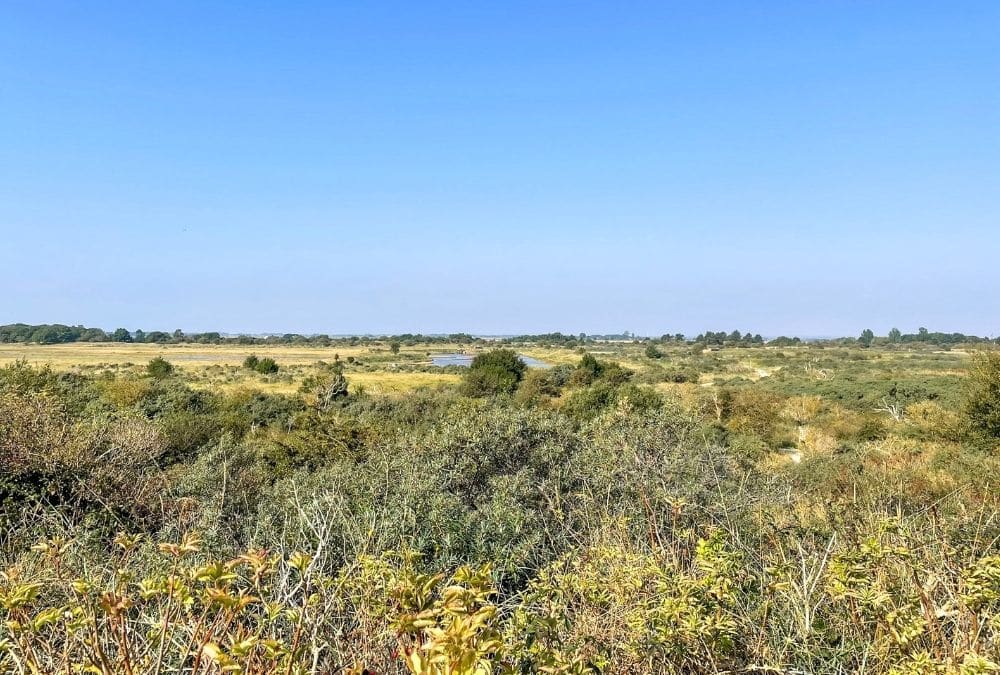
This unique location places Gibraltar Point Nature Reserve at the meeting point of land, sea, and sky, creating a rich mix of habitats including sandy dunes, salt marshes, freshwater lagoons, and mudflats.
These environments not only make the area visually striking but also support a wide range of wildlife, especially migratory birds.
For visitors, getting there is straightforward:
Its slightly off-the-beaten-path location is part of its charm—far enough from the crowds to feel peaceful, yet close enough to be convenient for a day trip.
Why Gibraltar Point is Worth Visiting
If you’re craving fresh air, wildlife, and scenic beauty, this reserve ticks all the boxes. Unlike the busy Skegness seafront, Gibraltar Point provides a calm escape into nature—perfect for families, couples, and solo travellers.
It’s also a great addition to a longer coastal holiday—especially if you’re exploring the wider area. Lincolnshire coast holiday ideas and travel inspiration.
History of Gibraltar Point
Gibraltar Point isn’t just a beautiful coastal reserve—it’s a place shaped by centuries of natural change and human history.
From its early role as a guiding landmark for sailors to its modern status as a protected habitat, the area has always held significance.
Origins of the Name
You might wonder, why is it called Gibraltar Point? While it doesn’t share the dramatic cliffs of the famous Rock of Gibraltar, the name is believed to reflect its importance as a prominent coastal landmark.
For centuries, this stretch of coastline has been a key reference point for sailors navigating the often unpredictable waters of the North Sea.
Before modern navigation systems, mariners relied heavily on visible land features. Gibraltar Point’s slightly raised land and distinctive shoreline made it easier to identify from a distance, helping guide ships safely along the Lincolnshire coast.
The name likely draws a loose comparison to the strategic significance of Gibraltar itself—a place known for guiding and protecting maritime routes.
The area also played a small but notable role during World War I.
From May 1915, Boy Scouts from Northampton were stationed at Gibraltar Point to assist with signalling to ships, helping improve communication along the coast.
This effort highlights how the location wasn’t just geographically important, but also strategically useful during times of conflict.
In addition, historical maps and local records suggest the area was recognised early on as a notable geographic “point,” reinforcing its identity as both a navigational and historical landmark.
Evolution into a Nature Reserve
Over time, Gibraltar Point Nature Reserve became valued not just for navigation, but for its rich natural environment.
Its unique mix of habitats—salt marshes, sand dunes, lagoons, and mudflats—created ideal conditions for wildlife, especially migratory birds.
By the early 20th century, conservationists began to recognise the area’s ecological importance. Increasing development along the coast made it clear that places like Gibraltar Point needed protection.
As a result, it was officially designated as a nature reserve in 1949, making it one of the oldest protected coastal reserves in the UK. Since then, careful management has helped preserve its delicate ecosystems.
Conservation efforts focus on:
- Protecting bird habitats and migration routes
- Maintaining natural coastal processes
- Managing visitor access to reduce environmental impact
Today, Gibraltar Point stands as a successful example of long-term conservation, balancing public access with environmental protection.
What is Gibraltar Point Skegness?
So, what is Gibraltar Point Skegness? It’s a nationally recognised nature reserve covering over 1,000 acres of unspoiled coastal land, offering one of the most diverse natural environments in Lincolnshire.
Managed by conservation organisations such as the Lincolnshire Wildlife Trust, the reserve is carefully protected to maintain its delicate ecosystems while still allowing visitors to explore and enjoy the landscape.
What makes Gibraltar Point truly special is how dynamic and ever-changing it is.
Key Features and Landscape
One of the biggest draws of Gibraltar Point Skegness is its incredible variety of landscapes packed into one location:
- Sandy beaches and dunes – Wide, open stretches of coastline perfect for walking, with dunes that act as natural sea defences
- Freshwater marshes – Calm, shallow waters that attract birds and support plant life
- Coastal lagoons – Ideal spots for birdwatching, often filled with wading birds and ducks
- Mudflats rich in marine life – Exposed during low tide, these areas are full of tiny creatures that form the base of the food chain
These environments work together to create a thriving ecosystem, supporting everything from migratory birds to insects and marine species.
For visitors, this means there’s always something to see—whether it’s wildlife in action, changing tides, or simply the peaceful beauty of nature.
It’s this combination of natural diversity, accessibility, and tranquillity that makes Gibraltar Point not just a reserve, but a truly memorable outdoor experience.
Wildlife at Gibraltar Point
One of the biggest highlights of Gibraltar Point Skegness, is its incredible wildlife.
Thanks to its mix of coastal habitats and protected status, the reserve supports a wide variety of species throughout the year.
From migratory birds stopping off on long journeys to smaller creatures thriving in the dunes and marshes, it’s a place where nature is always active.
Birdwatching Opportunities
Bird lovers are in for a real treat at Gibraltar Point Skegness.
The reserve is widely regarded as one of the top birdwatching locations in the UK, thanks to its position along major migratory routes on the beautiful east coast.
Throughout the year, thousands of birds pass through or settle here, making every visit unique depending on the season.
There are several purpose-built bird hides and viewing points across the reserve, allowing visitors to observe wildlife up close without disturbing it.
Early mornings and late afternoons are often the best times to spot activity, especially during migration seasons in spring and autumn.
Common sightings include:
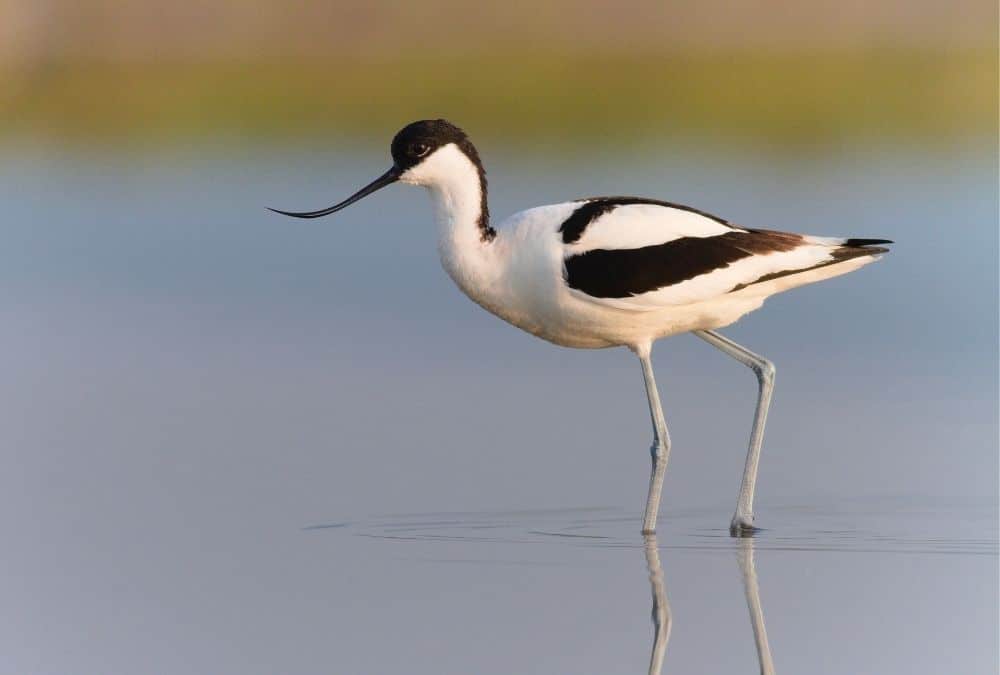
- Avocets – Easily recognisable by their curved beaks and elegant black-and-white markings
- Terns – Often seen diving into the water for fish during the summer months
- Brent geese – Large flocks arrive in winter, creating impressive coastal scenes
- Marsh harriers – Majestic birds of prey that can be seen gliding over reedbeds
You might also spot waders, ducks, and even rare species if you’re lucky.
For many visitors, the thrill comes from never knowing exactly what you’ll see next.
Flora and Unique Habitats
The plant life at Gibraltar Point is just as fascinating as its wildlife.
Thanks to the salty air, sandy soils, and changing water levels, only specially adapted plants can survive here—creating a unique and colourful landscape.
In spring and summer, the reserve comes alive with:
- Sea lavender adds soft purple hues to the marshes
- Marram grass stabilises the dunes and shapes the coastline
- Rare coastal wildflowers that thrive in these harsh conditions
These plants play a crucial role in supporting the ecosystem. They provide food and shelter for insects, butterflies, and small mammals, which in turn attract birds and other wildlife.
What makes this habitat particularly interesting is how everything is connected—from the tiny organisms in the mudflats to the birds soaring overhead.
It’s a delicate balance, and one that conservation efforts work hard to protect.
Is Gibraltar Point Worth Visiting?
If you’re wondering whether Gibraltar Point Skegness is worth adding to your itinerary, the answer is a clear yes—especially if you enjoy nature, surroundings, and a slower pace of life.
It offers a completely different experience compared to the lively Skegness seafront, making it ideal for those looking to unwind and explore the natural side of the coast.
Top Reasons to Visit
Absolutely—Gibraltar Point Skegness stands out for several compelling reasons:
- Peaceful environment away from crowds – Unlike the busy arcades and beaches nearby, this reserve offers space, quiet, and a chance to truly relax
- Stunning coastal views – From wide sandy beaches to sweeping marshlands, the scenery changes with the tides and seasons
- Rich biodiversity – A haven for wildlife, especially birds, making it a top spot for nature lovers and photographers
- Free entry (parking charges may apply) – A budget-friendly day out where you can spend hours exploring without an entry fee
- Well-maintained walking routes – Clearly marked trails make it easy to explore at your own pace, whether you want a short stroll or a longer walk
- Year-round appeal – Each season brings something different, from migratory birds in autumn to blooming wildflowers in summer
It’s also a great place to disconnect from screens and reconnect with nature, offering a calming experience that’s hard to find in more commercial tourist spots.
Things to Do at Gibraltar Point
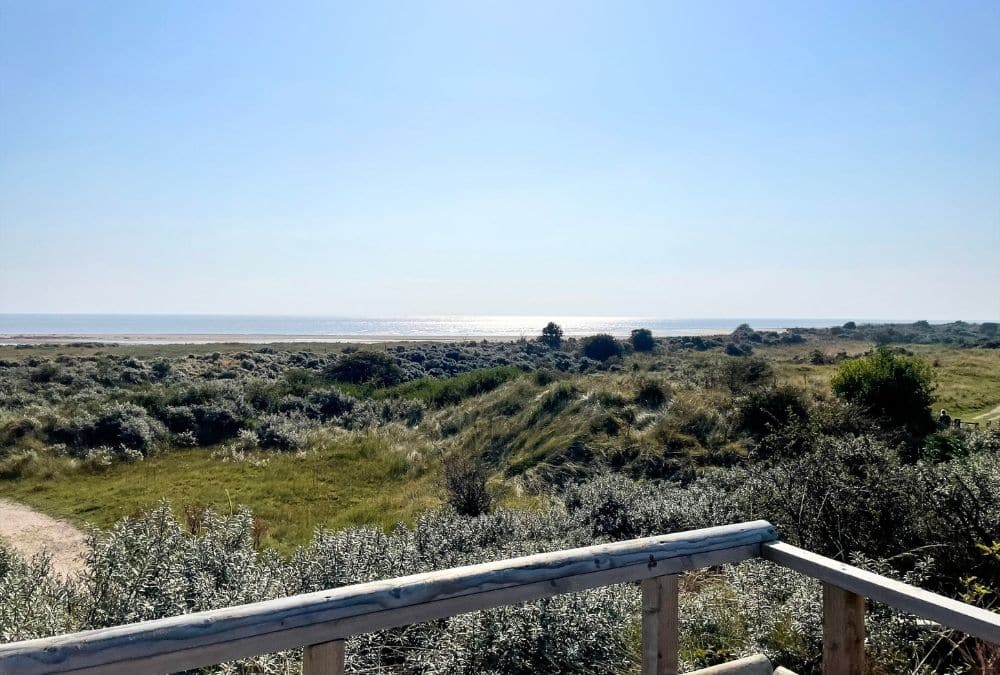
There’s no shortage of ways to enjoy your time at Gibraltar Point Skegness.
Whether you’re looking for an active day outdoors or a slow, peaceful escape, the reserve offers a range of simple yet rewarding activities.
From exploring scenic trails and spotting wildlife to unwinding with coastal views, it’s a place where you can set your own pace and enjoy nature in a way that suits you.
If you enjoy coastal walks and nature-filled days like this, you might also enjoy planning a coastal caravan break.
Walking Trails and Routes
One of the best ways to experience Gibraltar Point Skegness is on foot.
The reserve features a network of well-maintained, clearly signposted trails that guide you through its varied landscapes—from dunes and beaches to lagoons and marshes.
Whether you’re after a gentle stroll or a longer walk, there are a few popular routes visitors tend to enjoy:
- Visitor Centre to Millennium Ridge Walk (Short Loop – 1–2 miles): A great starting route from the visitor centre, this easy circular walk takes you past lagoons and onto Millennium Ridge, offering elevated views across the reserve. Ideal for families or a relaxed introduction to the area.
- Lagoon & Bird Hide Trail (Approx. 2–3 miles): This route leads you around freshwater lagoons and past several bird hides, making it perfect for wildlife spotting. It’s a calm, slower-paced walk where you can stop frequently to observe birds.
- Coastal Dune Path to the Beach (Flexible distance): Head through the dunes and out onto the wide, open beach. You can walk as far as you like along the shoreline, enjoying sea views and the sound of waves—especially beautiful on clear days.
- Long Coastal Walk towards Wainfleet (4+ miles): For those wanting a longer прогулка, this extended route follows the coastline southwards. It’s more remote and peaceful, giving you a real sense of escape and space.
Many of the paths are flat and easy to navigate, making them suitable for most visitors, including families and casual walkers.
If you’re visiting with a dog, this area is also a great base for exploring nearby pet-friendly spots—take a look at these dog-friendly beaches in Lincolnshire.
Along the way, you’ll find information boards explaining the local wildlife and habitats, adding an educational touch to your visit.
Benches are also placed at scenic locations, perfect for resting and taking in the views.
Photography and Relaxation
From sunrise over the sea to golden sunsets across marshlands, photographers will find endless inspiration at Gibraltar Point Skegness.
The wide, open landscapes and ever-changing light create ideal conditions for capturing stunning images.
- Early mornings offer soft light and increased wildlife activity
- Evenings bring warm tones across the marshes and dramatic skies
- Seasonal changes provide new colours, from summer greens to autumn hues
Even if photography isn’t your focus, the reserve is perfect for simply switching off and relaxing.
Whether it’s sitting among the dunes, listening to birdsong, or watching the tide roll in, Gibraltar Point offers a calm and refreshing escape from everyday life.
Entry Fees and Parking Costs
One of the great things about visiting Gibraltar Point Skegness is that it remains a low-cost, accessible day out for everyone.
Unlike many attractions, there’s no admission fee to enter the reserve, allowing you to explore its beauty freely. The only cost most visitors will encounter is parking, which helps fund the upkeep and conservation of this special environment.
How Much Does It Cost to Park?
A common question for visitors to Gibraltar Point Skegness is: how much does it cost to park?
While entry to the reserve itself is completely free, there is a small charge for parking, which helps support the ongoing conservation and maintenance of the site.
Parking typically costs:
- Around £2–£5 depending on duration
- Charges may vary slightly based on how long you stay or seasonal updates
The main car park is located close to the visitor centre, making it a convenient starting point for most walks and trails.
Payment is usually made via machines on-site, and it’s a good idea to bring change or check if contactless options are available before arriving.
For the most up-to-date pricing, you can visit the official site: https://www.lincstrust.org.uk/gibraltar-point
Free vs Paid Areas
While there’s no entry fee to access Gibraltar Point Skegness, parking is the primary cost visitors should plan for. This makes it a budget-friendly day out, especially compared to many other attractions.
If you’re looking to keep costs down during your visit, you can also explore more free things to do in Skegness for ideas to make the most of your time without spending much.
A few helpful tips:
- Arrive early during peak seasons to secure a parking space, as it can fill up quickly on sunny days
- Some visitors choose to walk or cycle from Skegness to avoid parking fees altogether
- Parking fees contribute directly to protecting the reserve, including maintaining paths, facilities, and wildlife habitats
Overall, the low cost combined with free entry makes Gibraltar Point an affordable and rewarding destination, offering hours of exploration without breaking the bank.
Best Time to Visit Gibraltar Point
Timing your visit to Gibraltar Point Skegness can really enhance your experience, as the reserve changes noticeably throughout the year.
Each season brings its own highlights, from wildlife activity to landscape colours, so the “best” time often depends on what you want to see and do.

Spring (March – May)
Spring is a fantastic time to visit as the reserve begins to come alive with returning migratory birds and fresh plant growth.
Birdwatchers will notice increased activity, while wildflowers start adding colour to the landscape.
Weather considerations:
- Temperatures can be mild but still cool and breezy, especially near the sea
- Sudden rain showers are common, so a light waterproof jacket is recommended
- Paths may be slightly muddy, so sturdy footwear is useful
Summer (June – August)
Summer brings the warmest weather, making it perfect for long walks, beach visits, and picnics.
The dunes and marshes are at their most vibrant, and wildlife remains active throughout the day.
Weather considerations:
- Generally warm, but coastal winds can make it feel cooler than expected
- Sun protection (hat, sunscreen, water) is important due to open landscapes
- Early mornings or evenings are best to avoid midday heat and crowds
Autumn (September – November)
Autumn is often considered the best season for birdwatching, as large numbers of migratory birds pass through the reserve.
The scenery also becomes more dramatic, with golden tones across the marshes.
Weather considerations:
- Temperatures begin to drop, and winds can be stronger along the coast
- Increased chance of rain, so waterproof clothing is essential
- Shorter daylight hours mean planning your visit earlier in the day is wise
Winter (December – February)
Winter offers a calm and peaceful experience, with fewer visitors and dramatic coastal views. It’s also a great time to see wintering birds like geese gathering in large flocks.
Weather considerations:
- Expect cold temperatures and strong coastal winds
- Warm, layered clothing is essential, including hats and gloves
- Paths are usually quiet, but conditions can be damp or muddy after rain
Facilities and Amenities
When visiting Gibraltar Point Skegness, you’ll find a range of well-maintained facilities that make your visit comfortable while still preserving the area’s natural feel.
The reserve strikes a good balance between being well-equipped and maintaining its peaceful, unspoilt atmosphere.
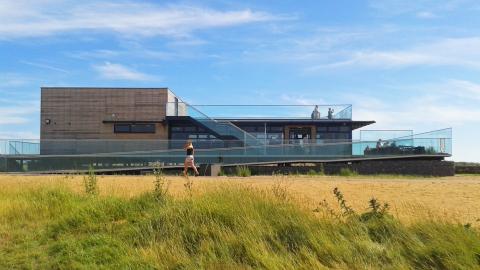
Visitor Centre and Café
The visitor centre is an excellent place to begin your visit, especially if it’s your first time.
It provides useful information about the reserve and helps you plan your route before heading out.
Inside, you’ll find:
- Educational displays explaining local wildlife, habitats, and conservation work
- A small shop offering maps, guides, and nature-themed items
- A café serving hot drinks, snacks, and light meals, ideal for a break during or after your walk. Full menu available online.
- Toilets and indoor seating, providing a comfortable place to rest
The café and seating areas also offer views across the reserve, so you can enjoy the scenery even while taking a break.

Accessibility and Parking
Gibraltar Point Skegness is designed to be accessible for a wide range of visitors, making it a welcoming destination for families, older visitors, and those with mobility needs.
Key features include:
- Accessible paths near the visitor centre and along main routes, suitable for wheelchairs and pushchairs
- Clearly signposted trails to help visitors navigate with ease
- Designated accessible parking spaces close to the main entrance
- Benches and rest points placed along walking routes
The main car park is conveniently located next to the visitor centre, allowing easy access to facilities without long walks.
Whether you’re stopping by briefly or spending the whole day, these amenities help ensure a smooth and enjoyable visit.
FAQs About Gibraltar Point Skegness
1. Is Gibraltar Point worth visiting?
Yes, it’s a peaceful and scenic nature reserve perfect for relaxation and wildlife spotting.
2. What is Gibraltar Point Skegness?
It’s a coastal nature reserve known for its biodiversity and natural beauty.
3. How much does it cost to park at Gibraltar Point?
Parking typically ranges from £2 to £5 depending on your stay.
4. Why is it called Gibraltar Point?
The name likely comes from its coastal prominence and historical navigation use.
5. Is Gibraltar Point free to enter?
Yes, entry is free, but parking charges apply.
6. What animals can you see there?
Birds, small mammals, insects, and marine life are commonly spotted.
Discover the Natural Beauty of Gibraltar Point Skegness
In summary, Gibraltar Point Skegness is a hidden treasure along the Lincolnshire coast.
With its stunning landscapes, rich wildlife, and peaceful atmosphere, it offers a refreshing escape from busy tourist spots.
Whether you’re a nature lover, photographer, or just someone looking for a quiet walk, this reserve delivers an unforgettable experience.