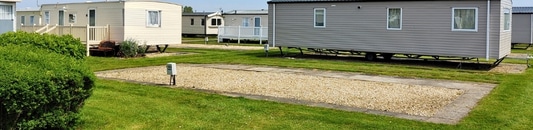


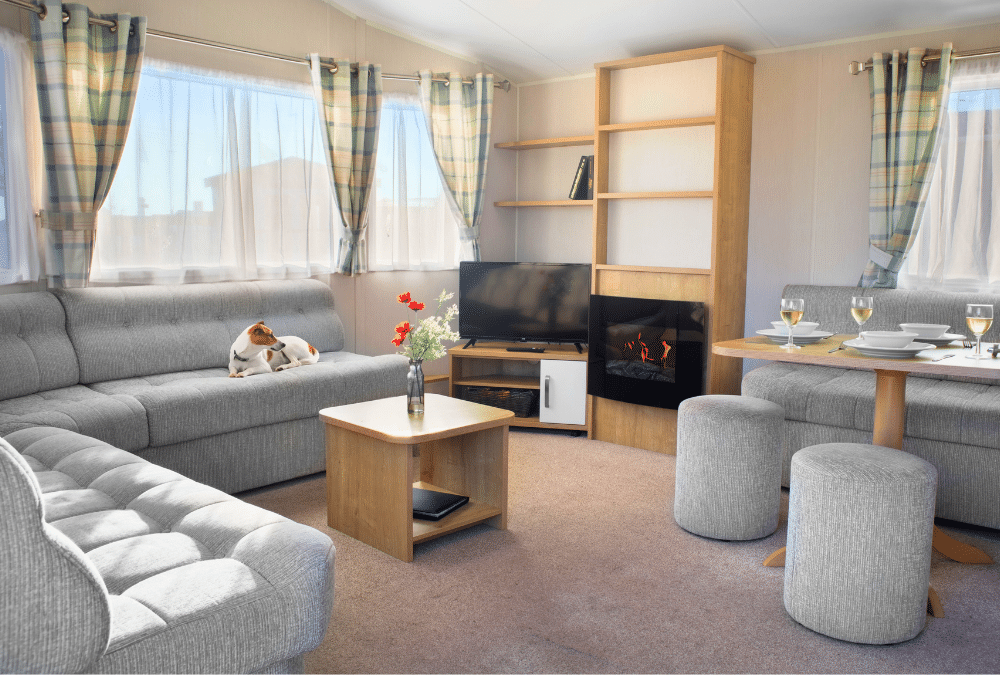
Yes, you can legally live in a static caravan in the UK — but only in specific, authorised locations. You cannot use a standard holiday park caravan as your permanent home.
To live in a static caravan full-time and all year round, it needs to be sited on a registered residential park, or on your own private land with the correct planning permission in place.
This article breaks down exactly where you can and can’t live in a static caravan permanently, what it costs, and what to check before you commit.
If you’re weighing up buying one in the first place, our first-time caravan buyers article is a useful companion to this one.
Quick Answer: Where You Can (and Can’t) Live in a Static Caravan
| Location | Can you live there permanently? |
|---|---|
| Residential park | ✅ Yes — designed and licensed for year-round living |
| Your own private land | ✅ Yes — but only with full residential planning permission |
| Holiday park (even open 12 months) | ❌ No — leisure use only, by law |
| A relative’s garden (e.g. your daughter’s) | ⚠️ Usually no — needs planning permission, rarely granted |
Residential Parks: The Main Option for Permanent Living
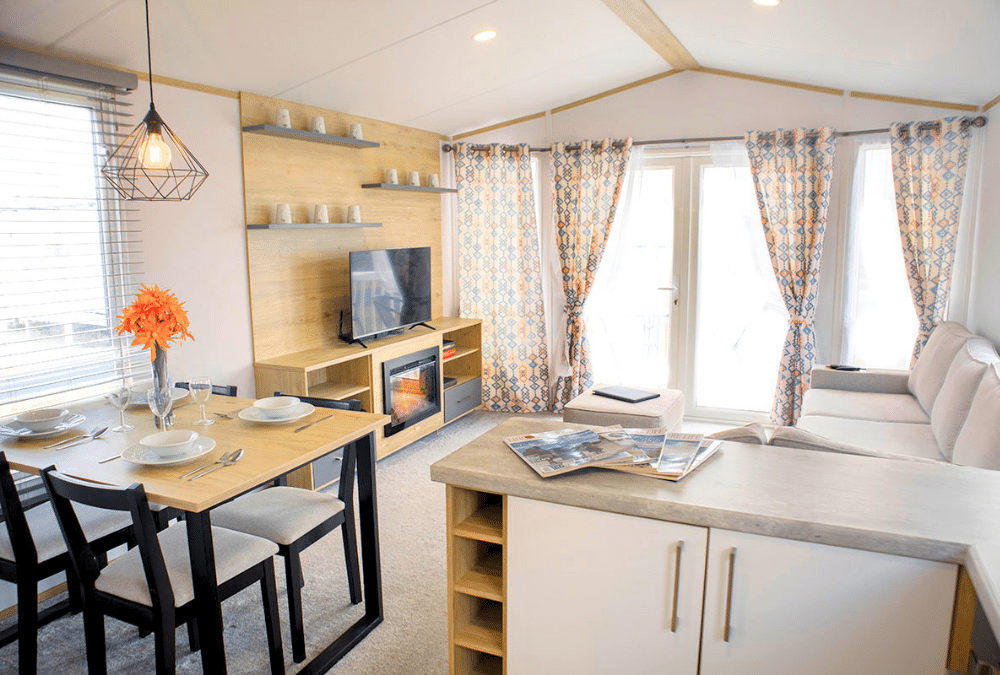
Residential parks are purpose-built and licensed for people to live in static caravans full-time.
They function much like a standard housing estate, just with park homes instead of bricks and mortar, and residents get legal protections under UK mobile home law.
If you’re set on living in a static caravan permanently, this is the route most people take, and it’s the only one that comes with proper legal backing.
It’s worth noting this is a different proposition to owning a holiday home for getaways — if that’s actually closer to what you’re after, take a look at why Ingoldmells works so well as a base for a static caravan for holidays rather than full-time residence.
Can You Live in a Static Caravan on a Holiday Park?
No — this is the single biggest misconception, and the most-searched related question. Holiday parks exist for leisure stays only.
Even if a park is open all year round and you’re allowed to visit in every season, you are not legally permitted to make it your main residence, and you’ll usually need to declare a separate permanent address.
Caravan parks that allow “all year round” access are still classed as holiday accommodation, not residential housing, unless the site specifically holds a residential licence under the Caravan Sites and Control of Development Act.
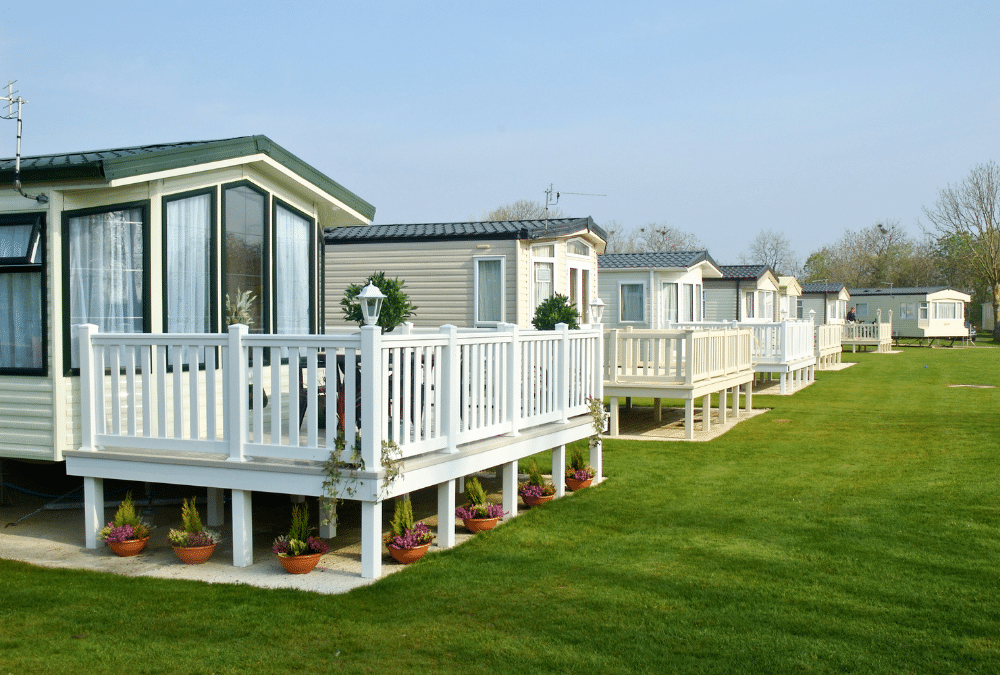
That doesn’t make holiday parks a bad option — it just means they’re suited to a different purpose.
Seasonal holiday parks like Kingfisher Caravan Park in Ingoldmells are designed for regular getaways rather than permanent residence, but that’s exactly what makes them appealing for owners.
You get a holiday home of your own on the Lincolnshire coast, with the freedom to use it as often as you like throughout the season, without taking on the planning permission or year-round commitment that comes with residential living.
We’ve covered why Ingoldmells works so well for static caravan owners in more detail, and if that sounds like the right fit for you, our static caravans for sale at Kingfisher page is the best place to see what holiday homes we have to offer.
Living in a Static Caravan on Private Land
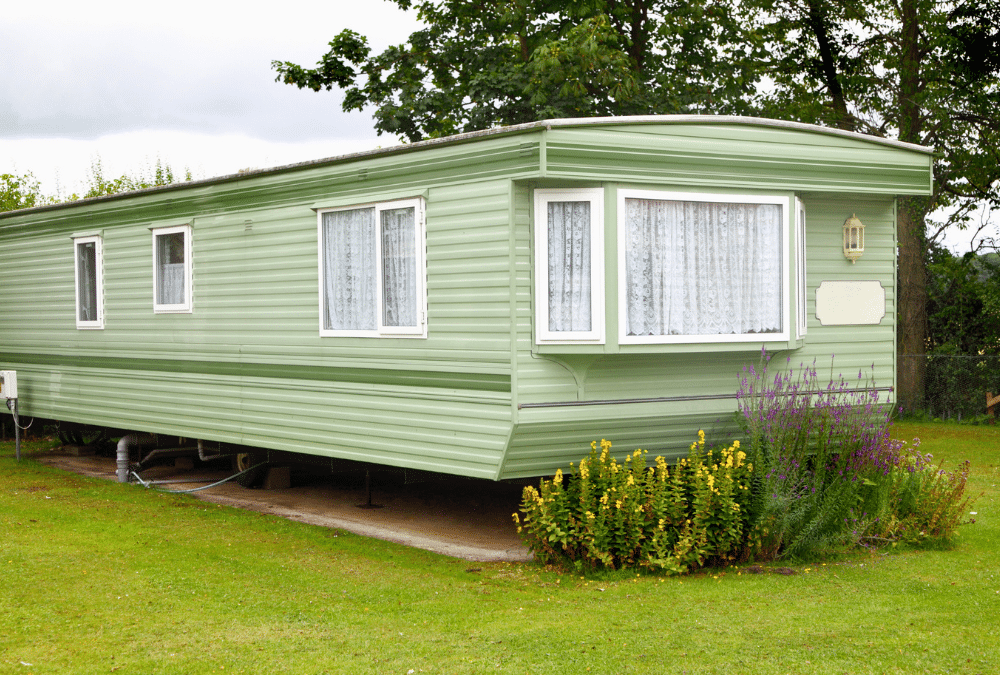
You can place a static caravan on your own land and live in it permanently — but only if you secure full residential planning permission and proper utility connections (water, electricity, sewage) from your local council first.
Without that permission, the local authority can issue an enforcement notice requiring you to stop living there or remove the caravan.
This is also why living in a caravan in someone’s garden — a friend’s or family member’s, including a daughter’s or parent’s — almost always runs into the same planning permission problem.
Gardens are residential land attached to an existing dwelling, and councils rarely grant separate planning consent for a second permanent home on the same plot.
How Long Can You Live in a Static Caravan?
There’s no fixed time limit on living in a static caravan itself — once you’re on a residential park or have planning permission on private land, you can live there indefinitely, year after year.
The “how long” question that often comes up is really about holiday parks, where the limit isn’t time-based but use-based: it’s not how long you stay, it’s that the park isn’t licensed for residential use at all.
What You Need to Check Before Living in a Static Caravan
1. Site licence
Always ask to see the park’s site licence before committing.
A genuine residential park will have no issue showing documentation that confirms it’s permitted for full-time, permanent living, and councils maintain public registers of licensed sites if you want to verify independently.
If a park is vague about this, treat it as a red flag.
2. Mobile Homes Act protection
If you buy a static caravan on a licensed residential park, you’re protected under the Mobile Homes Act.
This gives you security of tenure (the park can’t simply evict you without a court order) and sets rules around how and when pitch fees can be reviewed and increased.
It’s also worth understanding exactly what’s covered before you sign anything — our piece on what to look for in a static caravan contract walks through the key clauses.
3. Council tax
Living in a static caravan permanently almost always makes you liable for council tax, typically starting at Band A. This is separate from any site fees you pay to the park.
4. Site/pitch fees
Residential parks charge monthly or annual pitch fees to cover the maintenance of the site, roads, and shared facilities.
These can increase over time, so it’s worth checking the park’s track record on fee rises before signing up.
5. Insurance
Static caravans aren’t covered by standard home insurance, so you’ll need a specialist policy that covers the structure itself, contents, and liability on site.
Our overview of static caravan insurance covers what a solid policy should include.
6. Insulation and winterising
Static caravans aren’t always as thermally efficient as a brick-and-mortar house.
For genuinely comfortable year-round living, you’ll want good insulation, double glazing, and a reliable heating system — otherwise winters can get expensive and uncomfortable fast.
The same applies in reverse during summer, so it’s worth reading up on keeping a static caravan cool in warmer months too.
What Are the Disadvantages of Living in a Static Caravan?
- Heat loss and running costs — without upgraded insulation, heating bills can be higher than a standard home
- Limited space — static caravans are smaller than most houses or even small bungalows
- Resale and depreciation — static caravans typically depreciate over time, unlike bricks-and-mortar property
- Site/pitch fee increases — even with Mobile Homes Act protection, fees can still rise year on year
- Restricted locations — your choice of where to live is limited to licensed residential parks or land where you can get planning permission
It’s not all downsides, though — there are genuine upsides to static caravan ownership too, which we’ve covered separately in our piece on the benefits of owning a static caravan.
Next Steps: Finding an Authorised Residential Park
If you’re ready to look for somewhere you can legally live in a static caravan full-time, two organisations are worth checking:
- The British Holiday & Home Parks Association — for finding accredited parks and general guidance
- The National Association of Park Home Owners — for owner support and advice on residential park living
- Shelter England’s guide to park homes — a clear, independent breakdown of your rights as a resident
- GOV.UK’s caravan site licence page — to understand exactly what a site needs to legally operate
Before signing anything, confirm the site licence, get the pitch fee and council tax costs in writing, and read up on your rights under the Mobile Homes Act.
Common Questions About Living in a Static Caravan
Can you live in a static caravan all year round? Only on a residential park or private land with planning permission. A holiday park being open all year doesn’t make it legal to live there permanently.
Can you live in a static caravan permanently in the UK? Yes, on a licensed residential park or on private land with residential planning permission — not on a standard holiday park.
Can I live in a caravan in my daughter’s (or family member’s) garden? Generally no, without specific planning permission from your local council, which is rarely granted for a second home in a residential garden.
Where can I permanently live in a static caravan? On a registered residential park, or on your own land once you have full planning permission and the right utility connections.
This article is intended as general information only and does not constitute legal advice. Planning permission, site licensing and council tax rules can vary by local authority and individual circumstances, so always check the current position with your local council or seek independent legal advice before making any decisions about living in a static caravan.