

Picture this: it’s a Friday afternoon, and instead of scrolling through holiday let websites, comparing prices, and hoping the photos match reality — you just go.
You already know exactly where you’re headed, what it looks like, and that the kettle will be where you left it.
That’s what static caravan ownership actually feels like day-to-day. And for thousands of families across the UK, it transforms the way they holiday.
But if you’re thinking about how to buy a static caravan — especially if you’re doing it for the first time — the process raises a lot of questions. Some obvious, some that most guides don’t think to answer. This one does.
We’ll cover what buying a static caravan for the first time really involves, what it genuinely costs, what to watch out for, and how to make a decision you won’t regret.
Before we start: the honest truth about static caravans as an investment
Most guides bury this point, or skip it entirely. We’d rather tell you upfront.
Static caravans depreciate. Unlike residential property, they don’t go up in value over time — they go down. A caravan you buy today for £40,000 will be worth less in five years, and considerably less in ten.
If your primary goal is financial return, this matters. Static caravans are not investment vehicles in the traditional sense.
That said, for regular holiday-makers, ownership still makes strong financial sense — just on different terms.
If you’re the kind of family that takes three or four holidays a year, consistently spending £1,500–£2,500 per trip on accommodation, the maths often works in your favour within a few years.
And the ability to sublet your caravan during weeks you’re not using it can offset your running costs further. The right framing is this: a static caravan gives you a holiday home you love.
Any financial benefit is a bonus, not the point.
What does ‘buying’ a static caravan actually mean?
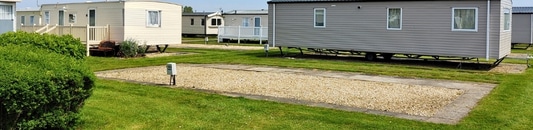
It’s not quite like buying a house, and understanding the difference matters. When you buy a static caravan, you own the caravan itself — but not the land it sits on.
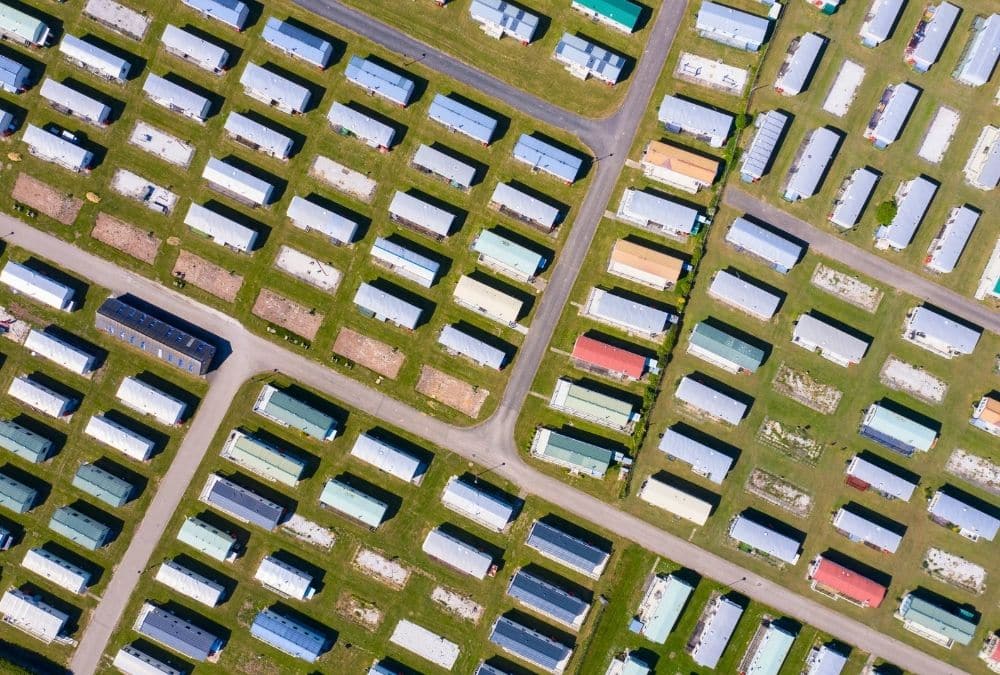
That land belongs to the caravan park. You pay an annual pitch fee to occupy your allocated plot, governed by a legal document called a pitch licence agreement (sometimes called a holiday licence).
This agreement sets out your rights and responsibilities: how long you can stay, what you can and can’t do with the caravan, and what happens when you want to sell.
It’s also worth knowing that most static caravans on holiday parks are classed as holiday accommodation, not residential dwellings.
Useful informaiton: https://www.tradingstandards.uk/news-policy-campaigns/news-room/2023/new-guidance-launched-for-holiday-caravan-park-owners-and-operators/
That means you can’t use them as your permanent address — and in most cases, the park’s licence conditions will prohibit it.
Understanding these basics from the start will save you considerable confusion later.
What does it cost? The full picture
One of the most common mistakes first-time buyers make is focusing on the purchase price and underestimating the ongoing costs. Here’s the complete picture.
Purchase price
| Type | Typical price range |
| New static caravan | £14,999 – £80,000+ |
| Premium lodge-style unit | £80,000 – £150,000+ |
| Pre-owned (standard) | £10,000 – £30,000 |
| Pre-owned (well-specified, newer) | £25,000 – £45,000 |
New caravans come with warranties, the latest specification, and peace of mind. Pre-owned models offer a lower entry price but require more due diligence.
Annual running costs
| Cost | Typical range |
| Pitch fees | £3,000 – £8,000/year |
| Gas and electricity | £500 – £1,500/year |
| Specialist insurance | £150 – £400/year |
| Annual service and maintenance | £200 – £500/year |
| Ad-hoc repairs | Variable |
| Total estimate | £4,000 – £10,000/year |
Pitch fees vary significantly between parks and regions — always confirm in writing before you commit. The pitch fee is your biggest ongoing cost and the one most worth scrutinising.
Ask for the current fee, the history of annual increases, and whether the park has any policy on how much it can rise year-on-year.
How to buy a static caravan: step by step
Step 1: Choose your location and park first
Before you think about which caravan to buy, think about where you want to holiday.
Coastal parks, countryside retreats, and lakeside sites offer fundamentally different experiences — and the park you choose will shape how much you enjoy your ownership for years to come.
If you’re considering the Lincolnshire coast, it’s worth exploring the different types of caravan sites in Skegness and what each area offers before making a decision.
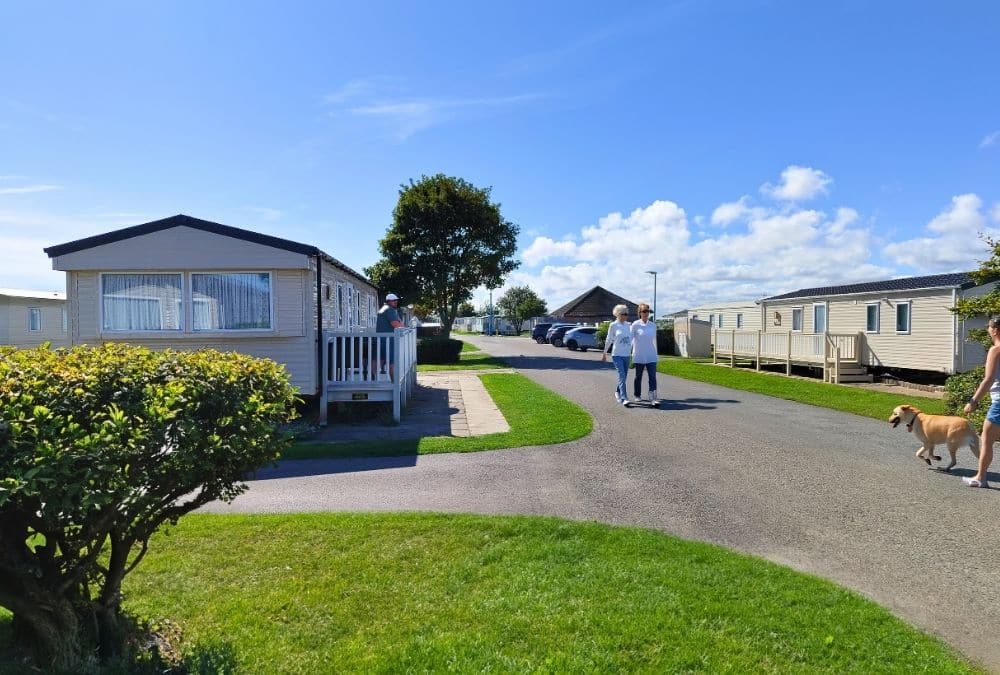
What to look for in a park:
- Well-maintained facilities and communal areas
- A settled, friendly community of existing owners
- Facilities that match how you holiday (pool, restaurant, entertainment — or simply peace and quiet)
- Transparent, approachable sales and management teams
- A clear, fair pitch licence agreement
Always visit in person — ideally on a busy weekend — before committing. Talk to owners already on site; they’ll tell you things the sales team won’t.
Kingfisher Caravan Park in Ingoldmells on the Lincolnshire coast is a well-established park with a transparent buying process, a range of caravans at different price points, and a team who are happy to talk you through everything without pressure.
Step 2: New or pre-owned?
If you’re buying new, you get a warranty, the latest insulation and build standards, and freedom to choose your spec and layout.
If you’re unsure which route is best for you, it’s worth understanding the benefits of buying a new or used caravan before making a decision.
If you’re buying pre-owned, you’ll pay less upfront — but do your homework:
- Check the age carefully. Most parks have a maximum permitted age for caravans on their pitches — typically 10–15 years. Confirm the rules with the park.
- Inspect it properly. Look for damp, check the boiler and heating system, inspect the roof, and test all appliances. Consider a professional survey if unsure.

- Ask about its history. How long has it been on the park? Has it been sublet? Any major repairs? A reputable seller will answer these freely.
- Buy through the park where possible. Pre-owned caravans sold through the park’s own sales team tend to have been checked.
Step 3: Read the pitch licence agreement — all of it
The pitch licence governs your entire ownership experience. It deserves careful, unhurried attention — not a quick skim before signing.
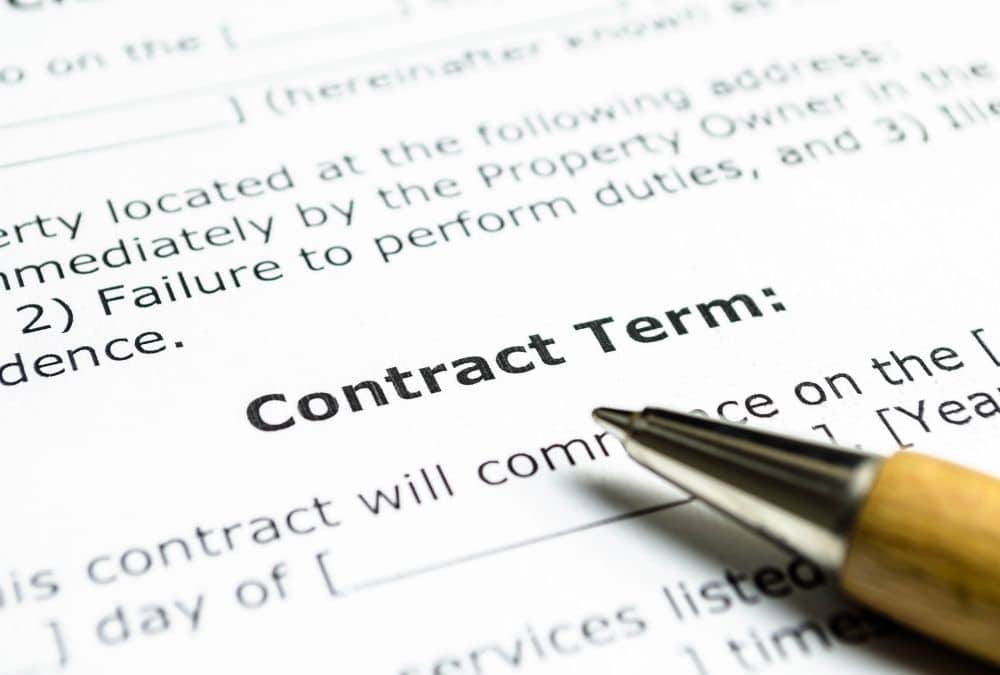
Key things to check:
- Length of the licence — Is it fixed-term or rolling? What happens at the end?
- Notice periods — How much notice does the park need to give you? What grounds can it use?
- Annual pitch fee increases — Is there a cap? How is the increase calculated?
- Subletting rules — Are you permitted to rent the caravan to paying guests? Under what conditions?
- Resale conditions — Does the park have right of first refusal if you sell? What commission does it charge?
- Age restrictions — When will you be required to replace or remove the caravan?
It is always worth seeking guidance from Citizens Advice regarding consumer contract guidance.
Step 4: Arrange finance or payment
Many buyers purchase outright, but specialist finance is widely available if you’d prefer to spread the cost.
- Standard residential mortgages don’t apply to static caravans
- Specialist caravan finance works similarly to a personal loan — fixed monthly repayments over an agreed term
- Some buyers use equity release or a secured loan against their main home
- Compare several options rather than accepting the first offer
Step 5: Complete the purchase and get insured immediately
The paperwork is considerably simpler than buying a house. Most transactions complete within a few weeks.
Don’t wait until after completion to arrange insurance. Your caravan should be insured from the moment you take ownership.
Standard home insurance policies don’t cover static caravans — you need specialist cover that includes the structure, contents, public liability, and emergency accommodation.
If you need help understanding caravan contracts, take a look at our guide explaining everything from initial term agreements to notice periods.
Is it worth buying a static caravan to rent out?

Yes — and it’s worth understanding how before you buy, because the park’s rules on subletting vary significantly.
- Not all parks allow owners to sublet to paying guests
- Those that do usually require bookings to go through the park’s own management service, and will take a percentage of the income
- Some parks offer full letting management — they handle bookings, changeovers, and guest communications on your behalf
Kingfisher Caravan Park offers a subletting option for owners, which can be a practical way to generate income from weeks you’re not using the caravan yourself.
Peak-season rental income from a well-located caravan can be meaningful — some owners find it covers a substantial portion of their annual pitch fees.
Treat subletting income as a useful offset to your running costs, not a guaranteed profit. Occupancy rates, the park’s commission structure, and the time of year all affect what you’ll actually earn.
For most buyers, the right way to think about it is: the caravan gives you a holiday home you love, and the subletting option helps make it more affordable.
Our full guide to sub-letting your caravan covers the practical details.
Questions to ask before you commit
Before you commit to a park or a caravan, these are the questions that will save you from the most common surprises. Download the full printable sheet — free, in exchange for your email.
- What is the current annual pitch fee, and what has it been for the past three years?
- Is there a cap on annual increases?
- What is the park’s operating season?
- What are the rules on subletting?
- What facilities are included in the pitch fee, and which cost extra?
- What happens if I want to sell…
Common mistakes to avoid when buying a static caravan
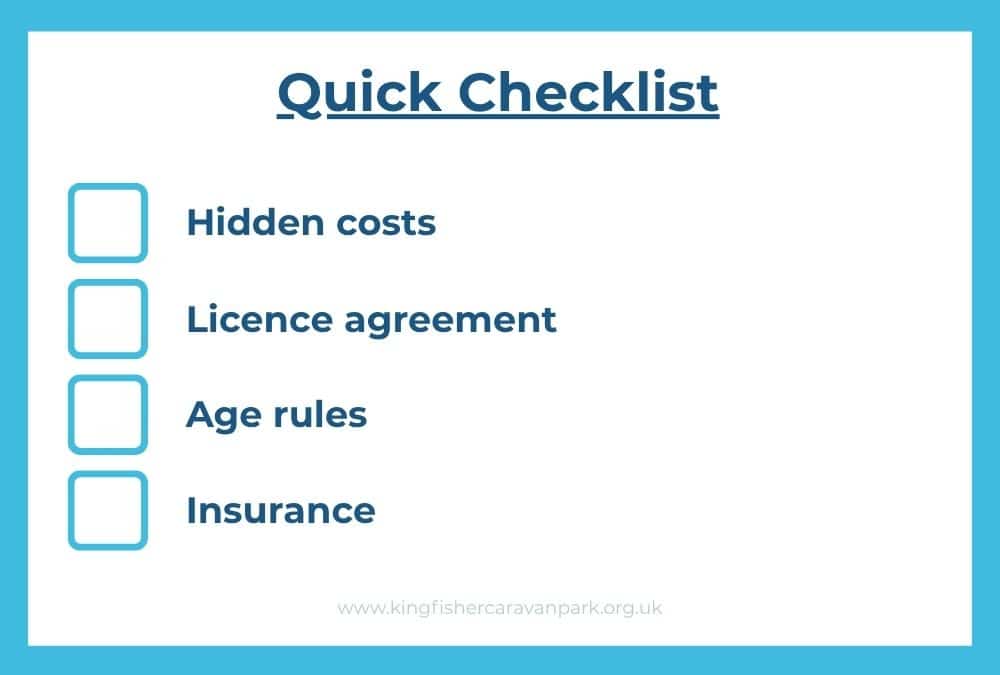
- Underestimating annual costs. The purchase price is only the beginning. Go in with a clear view of total annual costs.
- Skimming the licence agreement. This document governs everything. Read it properly, ask questions, and get answers in writing.
- Not visiting the park in person. Spend real time there — on a busy day — before committing. Talk to existing owners, not just the sales team.
- Buying based on price alone. A cheaper caravan on a poorly-managed park is rarely a bargain. The quality of the park will shape your enjoyment far more than saving a few thousand pounds.
- Overlooking the age rules. If buying pre-owned, make sure you know how many years the caravan has left on its permitted age. Being required to replace it within three years is an expensive surprise.
- Assuming you’re covered by existing insurance. You’re almost certainly not. Arrange specialist cover from day one.
- Choosing the wrong season. Parks vary in their operating season — some run 10–11 months, others just summer. Make sure the park’s season matches when you want to be there.
Is buying a static caravan right for you?
If you holiday regularly, want a base that feels like yours, and are realistic about the ongoing costs, static caravan ownership can genuinely transform the way you take breaks.
It works best for people who:
- Holiday frequently and want to stop paying for accommodation they don’t own
- Have a preferred location they return to again and again
- Want the simplicity of a known, familiar space
- Are prepared to invest time in choosing the right park, not just the right caravan
It’s less suited to people who prioritise variety, rarely take more than one or two holidays a year, or are primarily motivated by investment returns.
Ready to take the next step?
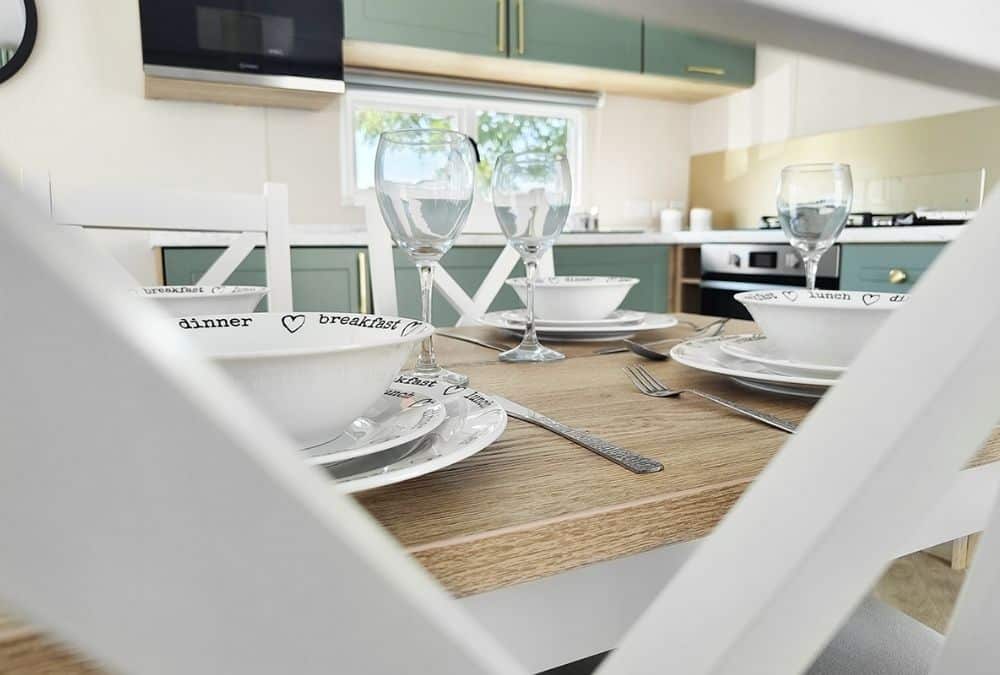
Kingfisher Caravan Park in Ingoldmells, Lincolnshire, offers a range of caravans for sale — both new and pre-owned — with a transparent buying process and a team who are happy to answer all your questions at whatever pace suits you.
Browse caravans for sale at Kingfisher or get in touch to arrange a visit.
Frequently asked questions
How much does it cost to buy a static caravan?
New models typically range from £30,000 to £80,000, with premium lodge-style units going higher.
Pre-owned caravans start from around £10,000, with well-maintained examples typically £15,000–£40,000.
Budget an additional £4,000–£10,000 per year in running costs including pitch fees, insurance, utilities, and maintenance.
Is buying a static caravan a good investment?
Not in the financial sense — static caravans depreciate over time.
For regular holiday-makers, however, ownership often works out cheaper than booking holiday lets year after year, and subletting can reduce running costs further.
Most owners find the value is in the lifestyle.
Can I buy a static caravan and put it anywhere?
No. Static caravans must be sited on a licensed caravan park.
Placing one on your own land requires planning permission and relevant licences, which are rarely granted for holiday use.
Do I pay council tax on a static caravan?
Holiday static caravans are not subject to council tax. The park operator typically pays business rates on the site as a whole.
What’s the difference between a static caravan and a lodge?
Lodges are generally larger, more premium units with higher-specification interiors — think residential-style kitchens, larger windows, and more living space.
They cost significantly more but offer a noticeably different level of comfort. Many parks offer both.
Can I get a mortgage on a static caravan?
Standard residential mortgages don’t apply.
However, specialist caravan finance and personal loans are widely available, and some buyers use equity release or secured borrowing against their main home.
Your park’s sales team can usually point you toward suitable lenders.